
Gum Disease Treatment – Catonsville, MD
Preserve Gum Health for a Better Smile
Your gums are just as important for your overall oral health as your teeth, but they’re often overlooked. As a consequence, gum disease is one of the most common conditions in America, affecting nearly half of adults over 30. If you’re concerned about bleeding gums, our team at Advanced Dental Clinic can put a stop to the infection and protect your smile. If you’re looking for gum disease treatment in Catonsville, we’re happy to help you get your oral health back on track.
Why Choose Advanced Dental Clinic for Gum Disease Treatment?
- Passionate and Educated Dental Team
- Flexible Dental Financing Available
- Comfortable, Welcoming Dental Office
What is Gum Disease?
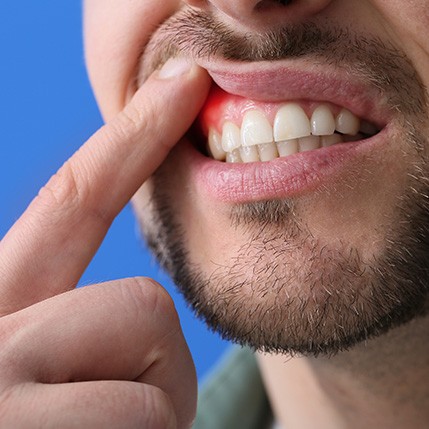
Gum disease, also known as periodontal disease, is a bacterial infection that damages the soft tissue and bone supporting your teeth. According to the Centers for Disease Control and Prevention (CDC), about 47% of adults over age 30 show signs of gum disease, and the risk increases with age.
The most insidious issue with gum disease is that it’s very hard to detect in its early stages. Gingivitis may only display mild symptoms, but if it’s left untreated for too long, it can progress to periodontitis, which can cause tooth loss. Fortunately, professional treatment and improved oral care can reverse or manage its effects.
Symptoms of Gum Disease

Gum disease can be difficult to detect on your own, especially in the beginning. Knowing the symptoms is key to early treatment:
Gingivitis:
- Red, swollen, or tender gums
- Bleeding when brushing or flossing
- Persistent bad breath
Periodontitis:
- Receding gums or the appearance of “long teeth”
- Loose or shifting teeth
- Pockets of pus between teeth and gums
If you experience any of these signs, schedule a visit with our team for an evaluation. If we can catch the progression of the condition early, we may be able to reverse the effects and keep your smile healthy.
How Do We Treat Gum Disease?

If you’re ready to fight back against gum disease, Dr. Bemani offers personalized treatment plans that target the infection at its source. Depending on your needs, treatment may include deep cleaning procedures and medication to restore gum health and prevent future flare-ups.
Antibiotic Treatment

In some cases, antibiotics may be recommended to help control bacterial infection in your gums. These medications are usually either placed directly in the affected areas or prescribed to kill harmful bacteria and promote healing. While they’re not a cure on their own, antibiotics can be an effective addition to scaling and root planing, helping to restore healthier gums more quickly.
Scaling & Root Planing
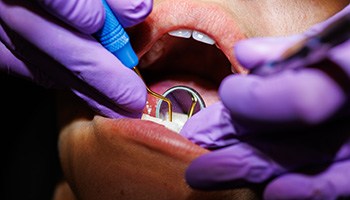
Scaling and root planing is a non-surgical deep cleaning method often used to treat gum disease with a two-part procedure. First, scaling removes hardened tartar above and below the gumline. Afterward, root planing smooths your tooth roots to discourage bacteria from reattaching. This combined treatment allows your gums to heal and reattach to your tooth structures more firmly, reducing inflammation and decreasing the risk of the disease returning down the road.
Do I Need Scaling & Root Planing?
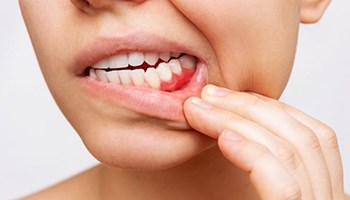
Not everyone diagnosed with gum disease needs a scaling and root planing. Dr. Bemani only recommends this treatment when the disease has spread to infect deeper layers of gum tissue that a toothbrush can’t reach. She’ll be able to tell whether scaling and root planing is right for you after examining your mouth and taking X-rays.
The Process of Scaling & Root Planing
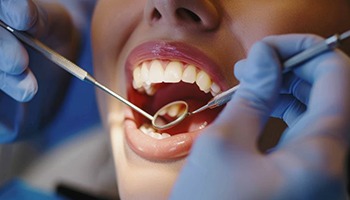
During the scaling portion of your gum disease treatment in Cantonsville, Dr. Bemani will use specialized tools to remove the plaque and tartar from your teeth and gumline. These bacteria deposits contribute to the spread of gum disease, so it’s important to eliminate them. You can think of scaling as a more thorough version of a regular cleaning.
As gum disease spreads, the tissue helping to hold your teeth in place can become damaged and pull away from the roots. The goal of root planing is to massage the gums and encourage them to reattach. This also minimizes the amount of “empty pockets” bacteria can hide in, reducing your risk of reinfection.
Rest assured, we’ll make sure you’re quite comfortable before starting your scaling and root planing treatment by administering a local anesthetic to the area.
Aftercare Tips for Scaling & Root Planing

After your scaling and root planing, your gums will likely be sore, and it could be a few hours until the anesthetic wears off. Try to avoid eating while your mouth is still numb, as you could accidentally bite your oral tissue and cause more irritation.
Other than that, take over-the-counter pain relievers as needed, and rinse your mouth with saltwater periodically throughout the day. You’ll be able to (and should!) brush and floss as normal, though we recommend checking in with Dr. Bemani before using any mouthwash. Some mouthwashes contain alcohol, which isn’t the best for recently treated gums!