
Sedation Dentist – Catonsville, MD
Changing the Way You View the Dentist’s Office
Dental anxiety is real. Far too many children, teenagers, adults, and seniors suffer from a fear of visiting the dentist’s office. When appointments are canceled or rescheduled because of this extreme viewpoint, it’s time to do something about it. Dr. Bemani is a sedation dentist in Catonsville who offers nitrous oxide and oral conscious sedation techniques. Contact us if you think you might benefit from one of these ideal solutions.
Why Choose Advance Dental Clinic for Sedation Dentistry?
- Caring Dentist & Dental Team Who Remain By Your Side
- Available to Patients of All Ages
- Comfortable Amenities
Nitrous Oxide Sedation
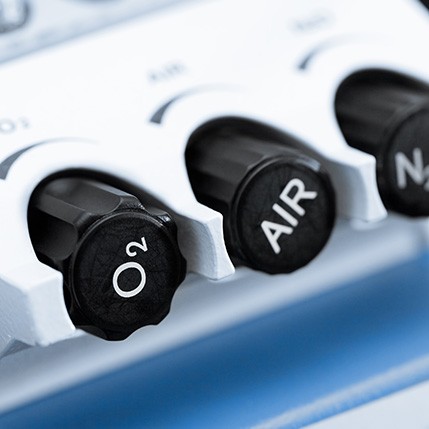
Many people struggle with dental anxiety or have a hard time sitting through lengthy or complex procedures. If you’re concerned about discomfort or have had a dental emergency and are hurting, you might benefit from nitrous oxide sedation, commonly known as laughing gas.
Whatever the reason for your visit, this popular sedative can help you remain relaxed and comfortable throughout your stay. Continue reading to learn more about this medication, and please don’t hesitate to contact us to schedule an appointment.
Who is a Good Candidate for Nitrous Oxide?

Nitrous oxide, popularly referred to as laughing gas, is usually considered safe for people of all ages when it’s administered by a qualified provider, like Dr. Bemani. However, that doesn’t mean it’s the best sedative to meet everyone’s unique needs.
Our team in Catonsville might recommend this option if you have:
- A strong gag reflex that is easily triggered.
- Difficulty sitting still for longer periods of time.
- A fear of needles.
- Resistance to numbing agents.
- Anxiety regarding having dental work done.
- Sensitive teeth or gums.
- Sustained an injury.
- Developed persistent or severe aches.
How Does Nitrous Oxide Work?
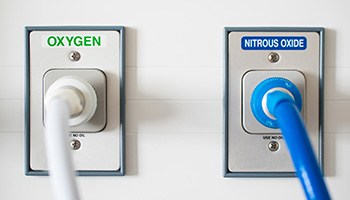
This medication is inhaled as a gas through a mask that’s placed over your nose while Dr. Bemani works. If you’re afraid you’ll share all your most intimate secrets or will be rendered unconscious, you can set your mind at ease. Laughing gas usually doesn’t knock you out, and you’ll likely be aware enough to respond to our team’s questions and directions.
Instead, you’ll likely feel a light, euphoric sensation, and some patients report tingling in their limbs. These effects typically kick in moments after you first start inhaling the drug, and tend to dissipate just as quickly once the mask is removed after your procedure.
Aftercare for Nitrous Oxide
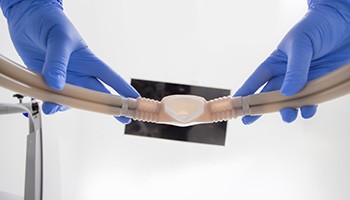
Are you wondering whether you need someone to help drive you home if you’ve had nitrous oxide sedation? Thankfully, the impacts of this medication don’t usually linger long, so you’ll likely be able to resume your usual activities following your appointment.
That includes driving home, though our team may want to keep you for a few minutes after removing the gas mask to ensure that you don’t experience any potential light-headedness or nausea. Depending on the reason or your visit, we might also provide additional aftercare or post-operative instructions for you to follow intended to help you mend as quickly as possible while avoiding potential complications.
Oral Conscious Sedation

If you experience more moderate forms of dental anxiety or require more than one dental treatment during your appointment, we may suggest oral conscious sedation dentistry. This involves taking a prescribed medication before your appointment that will cause you to become much more relaxed. Throughout your procedure, you will remain awake but feel no pain or concern for what is going on around you. When the appointment is finished, you will need to have someone escort you home, since it will take some time for the medication to wear off.
What Is Oral Conscious Sedation?

Oral conscious sedation requires that you swallow a small pill shortly before your treatment is scheduled to begin. The medications used for this can vary, but some common choices include Ativan, Halcion, and Valium. These substances can greatly reduce fear and anxiety, creating a much more relaxing dental care experience.
No needles or face mask are necessary with oral conscious sedation, and its effects kick in quite quickly (usually within 15 minutes or so of when you take the pill).
How Does Oral Conscious Sedation Work?
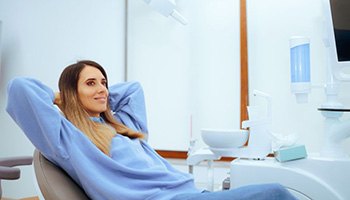
Oral conscious sedation is quite powerful, so even though it is not designed to put you to sleep, some patients drift off during their appointment. It should remain easy for our team to awaken you with gentle stimuli. We will carefully monitor you with the goal of keeping you safe and comfortable.
The effects of oral conscious sedation can last for up to a full day, so it is important that you do not drive or engage in other potentially dangerous tasks during that time. You should have a trusted adult ready to drive you to and from your appointment.
Once the sedation wears off, you may not remember anything that happened while you were under its influence.
Are You a Good Candidate for Oral Conscious Sedation?
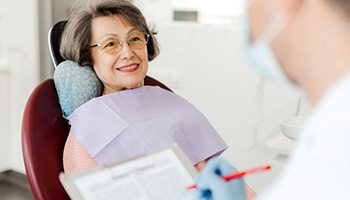
Oral conscious sedation might be a good fit for you if:
- The idea of undergoing dental work makes you feel anxious or afraid.
- You have a strong gag reflex.
- You need multiple or complex treatments.
- Local anesthesia does not easily numb you.
- Due to a medical condition, it is difficult for you to sit still for extended periods of time.
- You do not have any contraindications that would make oral conscious sedation unsafe for you. For example, you should not be pregnant or have certain allergies.
Sedation Dentistry FAQs
Is sedation dentistry safe for kids?
Yes! Nitrous oxide in particular is a great option for children, since it’s relatively mild and the effects pass quickly. That said, we can also safely prescribe an oral conscious sedative for your child if their symptoms are more severe.
Be sure to talk to your sedation dentist in Catonsville about your child’s health history and medications. Those with respiratory issues may not be good candidates for nitrous oxide, and certain medications can interfere with both forms of sedation. Please also let us know if your kiddo is prone to nausea. Nitrous oxide and oral conscious don’t often cause nausea, but we may be able to prescribe an anti-nausea medication, just in case.
Will I remember anything with dental sedation?
Even though you’ll technically be awake during treatment with sedation dentistry, you likely won’t remember the details of your experience. If you take an oral conscious sedative, the effect could be stronger. Part of what makes dental sedation effective for patients with anxiety is it leaves them with a tolerable (or even positive!) impression of their appointment.
Is sedation dentistry covered by insurance?
It depends. Unfortunately, most dental insurance plans categorize sedation as an “elective” that’s not “medically necessary.” However, if you can make the case that dental sedation is necessary in order for you to receive your treatment safely, then you may be eligible for coverage. It’s helpful to have a paper-trail that documents the details of your situation or previous experiences so you have something definitive you can show your insurance provider.
Here are some examples of what could qualify you for sedation coverage:
- You have a disability like cerebral palsy, Parkinson’s, or autism.
- You’re receiving complex treatment.
- You have severe anxiety.
- It’s virtually impossible for you to receive dental care without sedation.
Is sedation dentistry worth it?
For many patients, sedation dentistry is absolutely worth it, even when it’s not strictly “medically necessary.” It can empower nervous patients to make regular appointments without hesitation, and can help those with sensitivities tolerate their treatment. Overall, sedation dentistry can pave the way for more positive experiences at the dentist’s office and make quality care more accessible!
Am I a good candidate for sedation dentistry?
This is something we can certainly discuss before your appointment. Since we offer multiple forms of sedation, it’s also important for your sedation dentist in York to determine which option would be best for you. Generally speaking, though, many patients can be a good candidate for sedation dentistry, including:
- Those who dread and avoid making regular appointments.
- Those with mild, moderate, or severe anxiety.
- Patients with disabilities that make sitting still for prolonged periods of time uncomfortable.
- Children (or adults!) who are restless and tend to fidget to a significant degree.
- Patients with sensory sensitivities to things like discomfort, bright lights, and loud sounds.
- Those who have a strong gag reflex.
- Those with limited oral mobility.
- And many more!